
Impact & Stories
What changes for the people who take part, how we measure it, and their stories in their own words.
How we count. 100+ participants supported: Individual people who have taken part in at least one Play Northwest programme or session. We count people, not attendances. 94% reported improved wellbeing: Of the 110 participants who completed both our start and end wellbeing check, the share who reported an improvement. From the September 2026 cohort onwards we use the validated SWEMWBS scale (Short Warwick–Edinburgh Mental Wellbeing Scale). Moving to SWEMWBS means future outcomes data meets the standard NHS and major-funder evidence threshold. We’d rather refine a real number than inflate an unverified one.
The sessions made me feel like I had a purpose and it has inspired me to join college studying music. Before the sessions I felt nervous and didn’t know what to expect, after the first week I couldn’t wait for the next session. I recommend this to anyone even if — like me — you have had no prior knowledge of making music.
— Programme participant
Beyond Merseyside — Connect & Support UK
We also build and operate Connect & Support UK, a free national mental-wellbeing app on iOS and Android. It gives anyone in the UK 24/7 access to crisis helplines, a Stanley-Brown Safety Plan, an ACE check, evidence-based coping skills, a Wellbeing Passport and a finder of 600+ NHS, charity and community services. No account needed for crisis features. No ads. No trackers.
Optional Premium funds our free community work in Merseyside — every paying subscriber directly supports someone who can’t pay. See the app →
Case study — James’s story
James (name changed) was referred to Play Northwest by his support worker after months of social withdrawal following a mental-health crisis. He had disengaged from college, was rarely leaving his flat, and described himself as “switched off” from things he used to enjoy.
He joined our 12-week flagship programme nervously and almost dropped out after week two. The facilitator paired him with a peer mentor, and by week four he was leading on track selection for the group set. Field-recording sessions in his local community gave him a reason to be outdoors again — something he later described as the turning point.
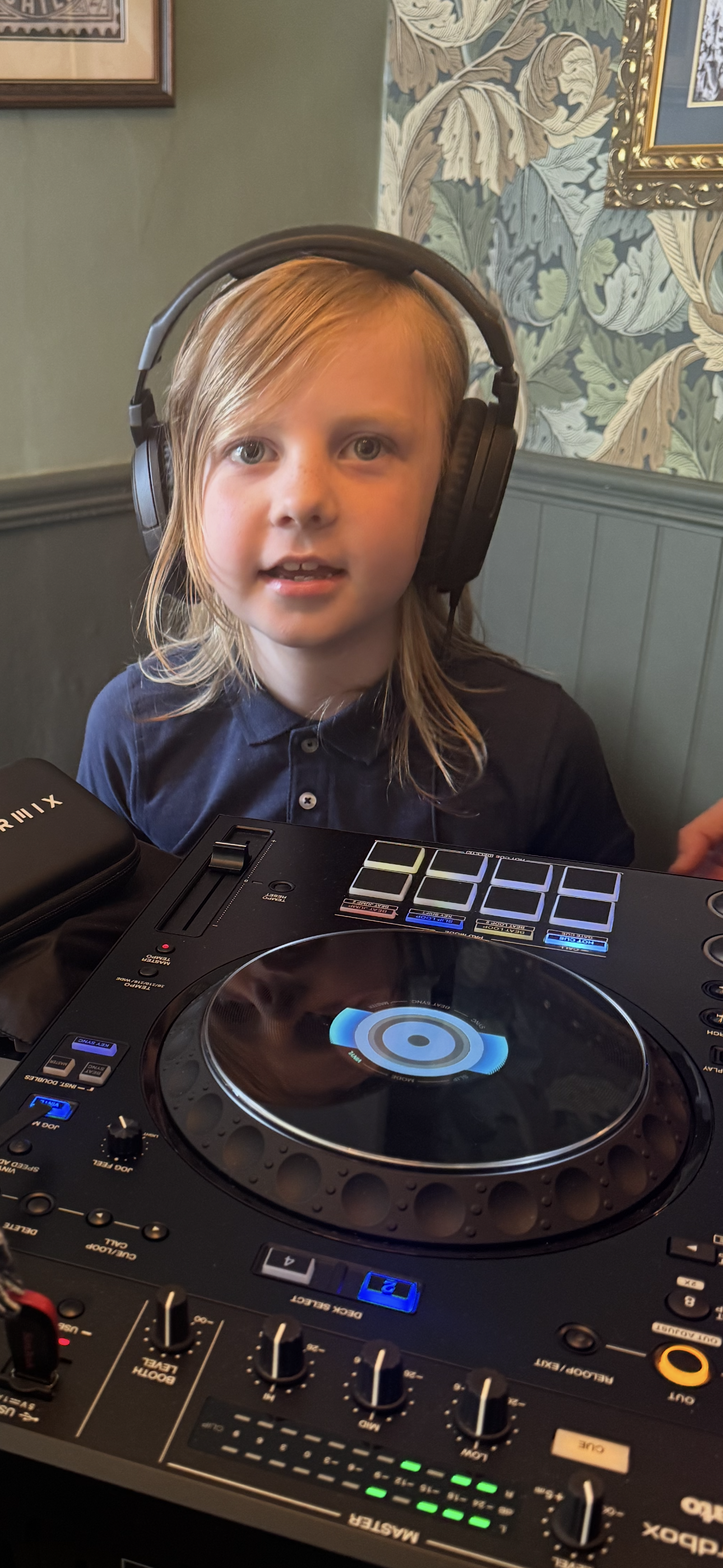
By the final showcase, James performed a live DJ set to an audience of forty people, including his family. Twelve months on, he is enrolled on a Level 3 Music Production course at college and now volunteers as a peer supporter on our newer cohorts. His self-reported wellbeing score improved from 3/10 at intake to 8/10 at exit.
Name and identifying details changed to protect participant privacy. Outcome data drawn from pre/post wellbeing surveys.
How We Measure Impact
Every programme we run includes structured wellbeing tracking. From the September 2026 cohort, participants complete the validated SWEMWBS (Short Warwick–Edinburgh Mental Wellbeing Scale) at four points: baseline, mid-point, endpoint and a 3-month follow-up. Earlier cohorts completed our internal start-and-end wellbeing check. SWEMWBS is the wellbeing instrument the NHS, public-health bodies and most major funders accept as the standard.
Alongside the quantitative data, we capture qualitative feedback from participants, parents, carers and referral partners. Every programme is mapped to the NHS 5 Steps to Mental Wellbeing framework.
We believe in honest, evidence-based impact measurement — not just counting numbers, but understanding the real stories behind the data. Where we have limitations in our data (small sample sizes, self-selection bias, transitioning measurement instruments) we name them in our funder reporting rather than hide them.
In their own words
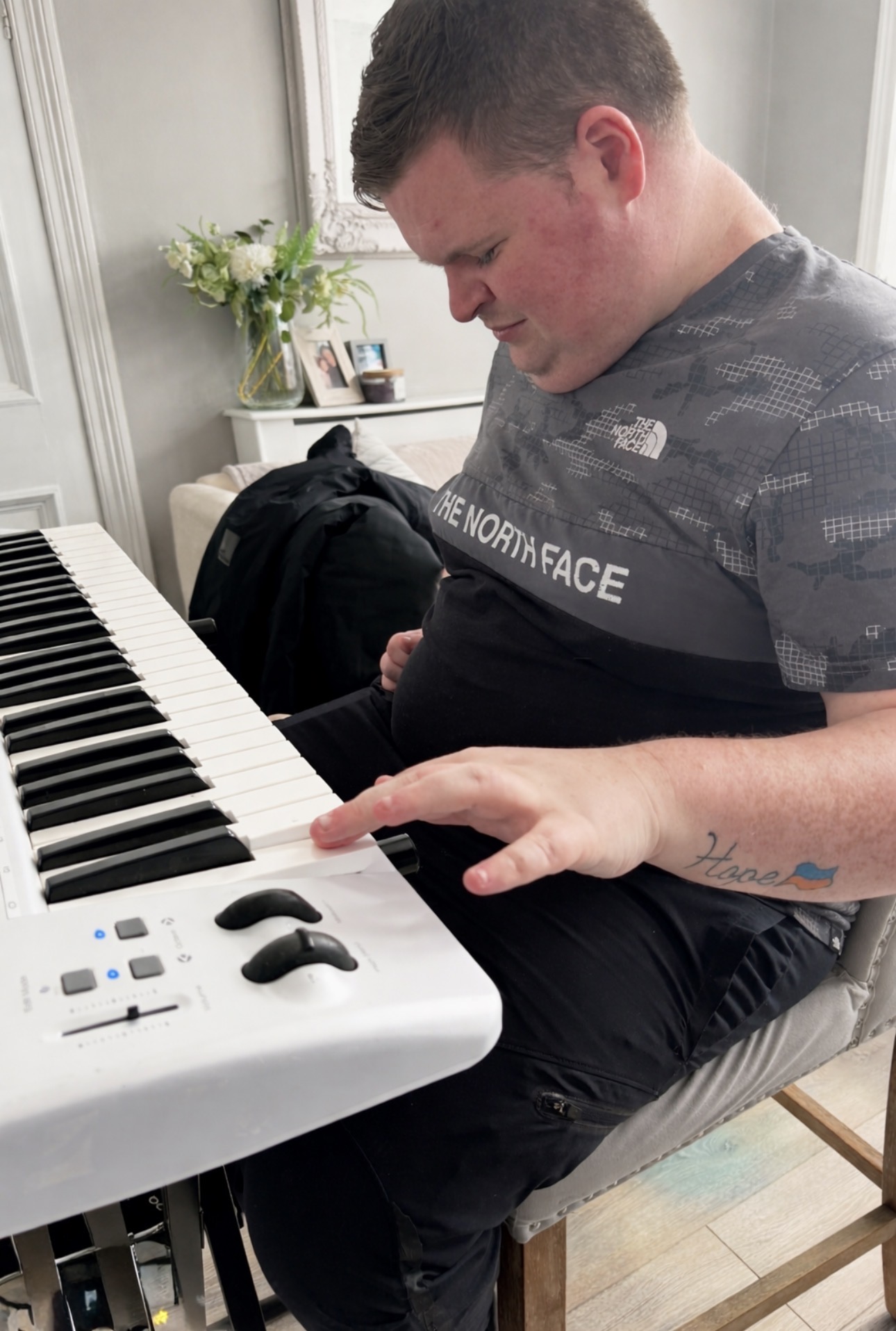
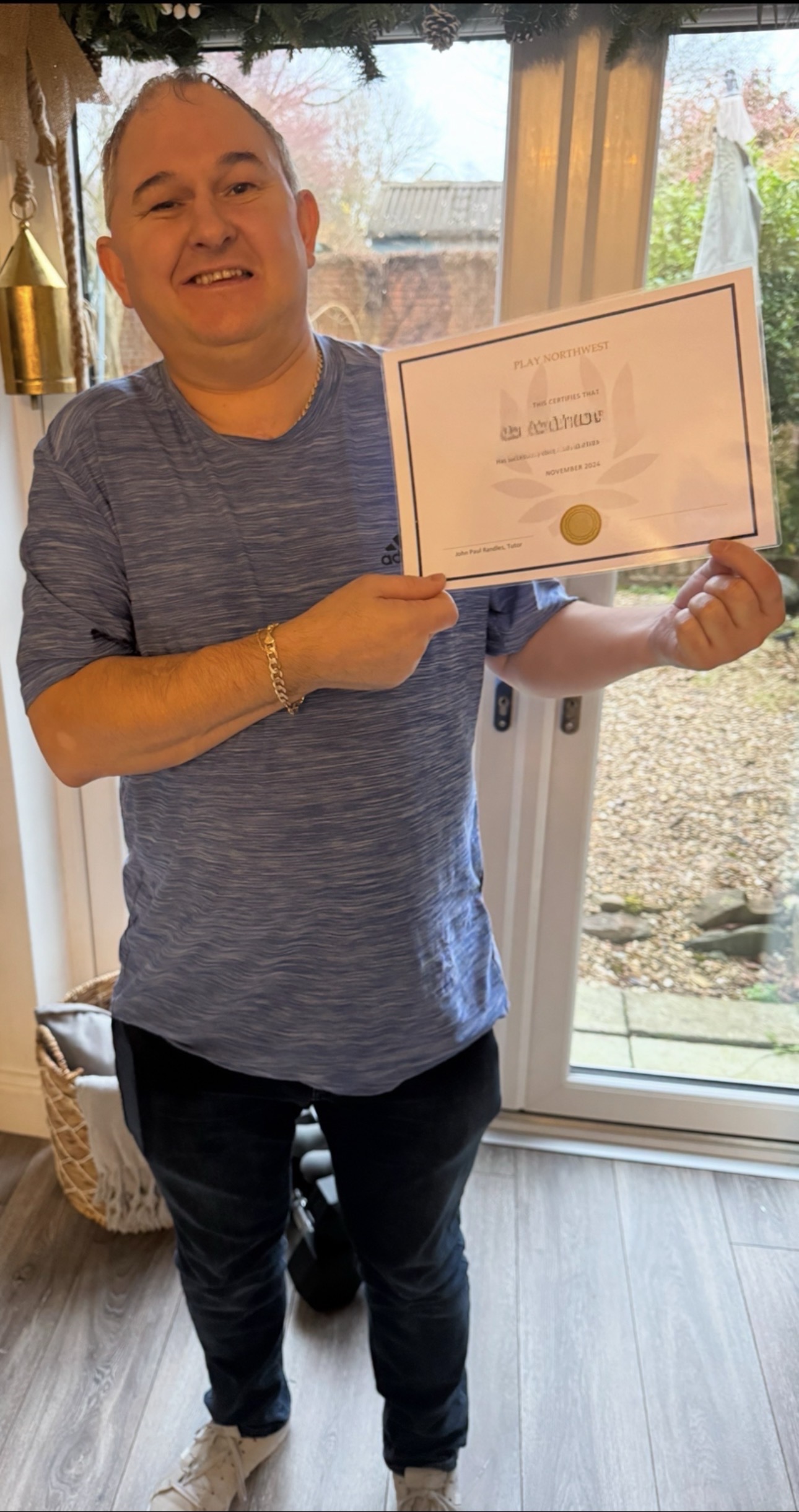
“I’d been struggling with my mental health for a long time and I’d stopped going out. The sessions gave me a reason to leave the house each week. The group felt safe straight away — no pressure, no judgement — and by the end I was looking forward to seeing everyone. It’s the most connected I’ve felt in years.”
— Programme participant“I never thought music was something for me. Within a few weeks I’d built my own track and played it back to the group. It sounds small but it changed how I see myself — I’d spent so long being told what I couldn’t do, and here was something I’d actually made.”
— Programme participantWhat We Track
Wellbeing
Self-reported wellbeing scores before and after each session. Tracking changes in mood, energy, and overall mental health across the programme.
Connection
Measuring social connection, sense of belonging, and relationship quality. Do participants feel more connected to their peers and community?
Confidence
Tracking self-confidence and self-esteem across the programme. From first session nerves to performing on stage at the final showcase.
Skills
New skills gained — DJ technique, music production, digital literacy, teamwork, and communication. Skills that last beyond the programme.
Engagement
Attendance rates, session enjoyment scores, and retention across the 12-week programme. Are participants choosing to come back?
Voice
Qualitative feedback in participants’ own words. What did they enjoy most? How did it make them feel? What would they change?
5 Steps to Mental Wellbeing Outcomes
Every session maps to at least one of the NHS 5 Steps to Mental Wellbeing.
Connect
Group music-making builds bonds and a genuine sense of belonging. Participants form friendships that last beyond the programme.
Keep Learning
Every session teaches something new — from beatmatching to sound design. Learning builds confidence and purpose.
Be Active
Field recording walks, movement through music, hands-on creative activity. Getting out of the house and into the community.
Take Notice
Sound healing and mindful listening help participants slow down, tune in, and become more aware of themselves and their surroundings.
Give
Creating music for others, mentoring peers, and performing at the community showcase. Giving back through creativity.
Early Intervention Through Music
We believe that reaching people early — before issues escalate — is the most effective way to support mental health. Traditional clinical services often have long waiting lists and can feel intimidating.
Our music-based approach offers an alternative pathway. Music is the hook that draws people in. Wellbeing is the outcome. By embedding mental health support within creative, engaging activities, we reach people who would never walk into a clinical setting.
This is preventive, not reactive. It’s about building resilience, connection, and confidence before crisis point — saving people from suffering and saving services from the cost of late intervention.
Leave a review
Been on a programme, supported someone who has, or watched a showcase? Share your experience below — your words could help someone else take the first step.
Partner With Us
Schools, NHS services, funders and community organisations: work with us to reach more people who need support.